Open
Built for families who want serious offshore capability,
premium comfort and the freedom to fish, cruise or entertain.
Open 402
NEW Open 352
NEW Open 322
NEW Open 302
Open 282
Open 262
Open 252
Open 232
Open 212
Heritage
A refined crossover lineup designed for coastal cruising, ample seating,
family days and some fishing when the moment calls for it.
NEW Heritage 321
Heritage 261
NEW Heritage 251
Heritage 231
Masters
Shallow-water performance, fishing-focused layouts and
everyday comfort built for family life and fishing.
Perfect blend of offshore capabilities with inshore conveniences.
NEW Masters 288
Shallow-draft bay boats built around casting space, livewells and skinny-water fishing.
Masters 267
Masters 267OE
Masters 247
Masters 247OE
Masters 227
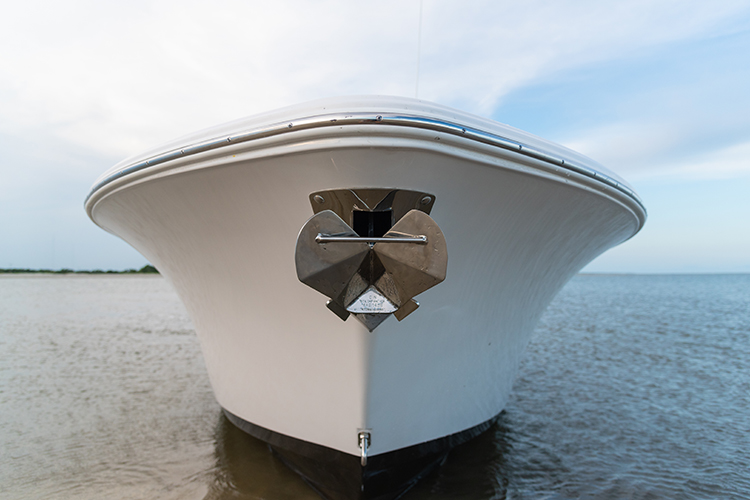
Your windlass anchor is a super convenient piece of equipment on your Sportsman. Make sure you learn how to take care of it to keep the anchor in commission.
-
•Use the windlass only to retrieve the rode and anchor once it is free; never use it to pull the anchor from the bottom or to act as the holding force.
-
•Secure the rode to the cleat and use the anchor retrieval ball to keep load off the windlass during retrieval.
-
•Perform regular windlass maintenance by cleaning after use and lubricating moving parts and inspecting the bronze clutch nipple plunger to prevent corrosion.
On a daily basis I am fielding questions from customers and dealers on how to operate certain parts of their boat and how to fix minor issues that may come up. One big issue I see and want to help you prevent is windlass failure.
A windlass is a great tool to have on a boat and will provide years of operation when serviced and used correctly. Of the failures we see here at Sportsman, 90% are caused by a lack of service and improper usage. The windlass is designed to retrieve an anchor that is no longer in the holding position. It should not be used to pull the anchor out from the bottom or to act as the holding force. The anchor should be pulled from the bottom by either driving the boat straight over and away from the anchor until it rolls out of the bottom or by the use of an anchor retrieval ball that will float the anchor to the top while driving away from the anchor. Once the anchor is free the windlass can be used to retrieve the rode and anchor back to the boat.
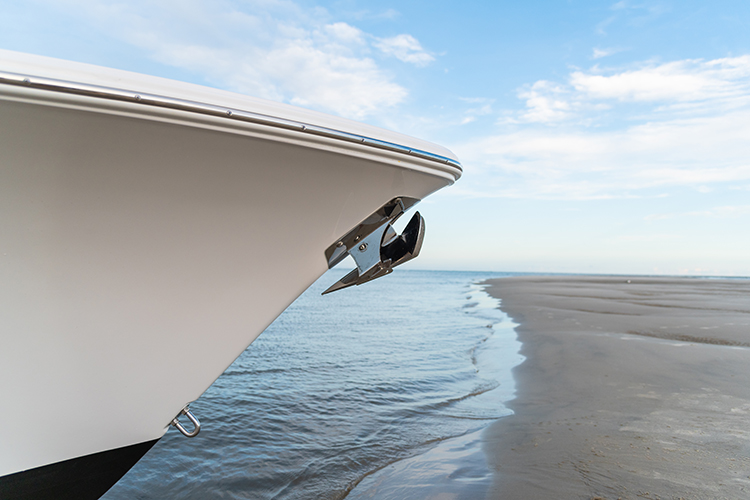
The anchor ball method is the preferred method as the weight of the anchor is supported by the buoy and the windlass has less force on it during retrieval. The other practice that can cause damage and shorten the life of the windlass is using it as the holding force by not securing the rode to the cleat. With the rode not properly secured all the wave and tide force is placed on the windlass. This strain can cause substantial damage to the windlass's internal gears.
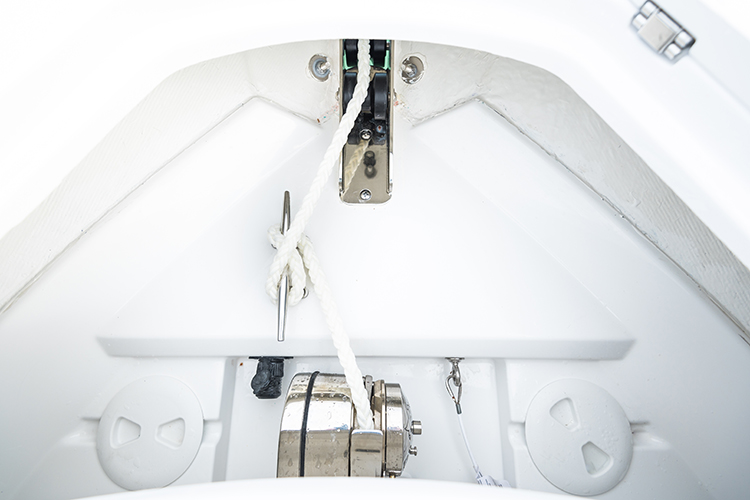
On the service side, the biggest issue I see is not washing or cleaning the windlass regularly. It is easily forgotten when washing the boat by being out of sight and used every time out. There is a little nipple plunger on the clutch that controls the engaging function of the clutch. This bronze piece can corrode easily, causing it not to operate correctly. Cleaning and spraying with WD40 or other lubricant will promote a longer life. For other service recommendations, I've attaching a link to the Lewmar manual.
Following these simple procedures should aid in allowing your windlass to provide you with a long and back-breaking free boating experience.
Tight lines and following seas!