Open
Built for families who want serious offshore capability,
premium comfort and the freedom to fish, cruise or entertain.
Open 402
NEW Open 352
NEW Open 322
NEW Open 302
Open 282
Open 262
Open 252
Open 232
Open 212
Heritage
A refined crossover lineup designed for coastal cruising, ample seating,
family days and some fishing when the moment calls for it.
NEW Heritage 321
Heritage 261
NEW Heritage 251
Heritage 231
Masters
Shallow-water performance, fishing-focused layouts and
everyday comfort built for family life and fishing.
Perfect blend of offshore capabilities with inshore conveniences.
NEW Masters 288
Shallow-draft bay boats built around casting space, livewells and skinny-water fishing.
Masters 267
Masters 267OE
Masters 247
Masters 247OE
Masters 227
Keeping your boat in proper condition can seem like a lot of work. However, with some simple tips for easy regular maintenance your boat will be in tip top shape at all times.
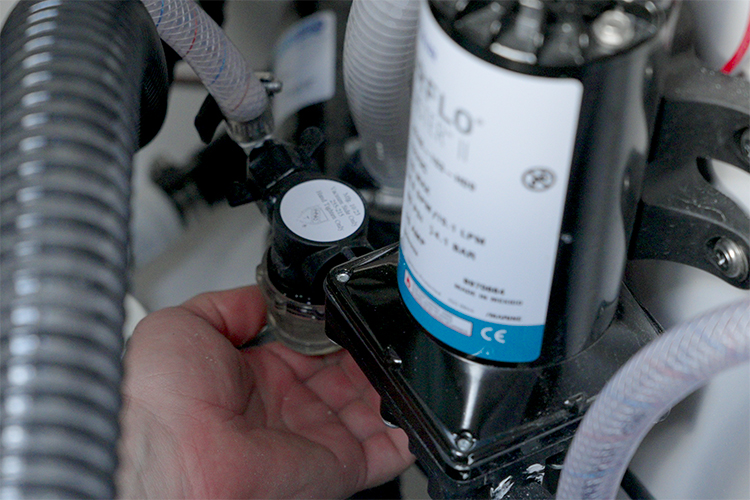

-
•Regularly inspect and clean both freshwater and raw water strainers to prevent loss of pressure from debris buildup
-
•Remember that raw water strainers catch debris from outside the boat; after running in debris heavy areas you may need to clean the strainer to keep things flowing
-
•Follow a simple 3 step routine: access the strainer, inspect and remove debris, then reassemble the unit with the filter seated securely
As a boat owner there's a lot of little bits of knowledge that will make life much easier. One of which we will cover today and it's likely something you didn't know to do, especially if you're a first time boat owner. Have you ever been on the water, turned your freshwater or raw water pump on and you didn't have much pressure? If this does happen to you, the first thing you'll want to check is the strainer which keeps all the debris out of your pump.
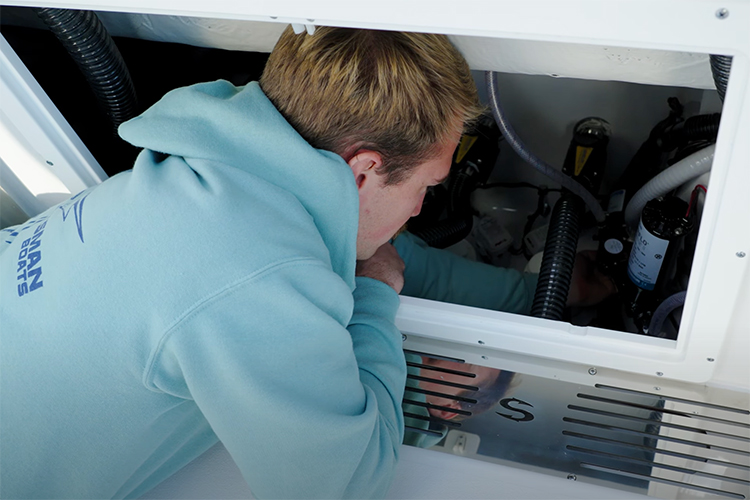
Most of the time a loss of pressure to one of your water pumps is caused by a build up of debris in the strainer. You're less likely to get debris in the freshwater as it's not picking up water from outside of the boat, if you're losing pressure here you can check the strainer but you might have a pump going bad. As for the raw water, this is generally the culprit for a clogged strainer and this isn't a bad thing, it just means it's doing its job correctly. As your raw water pump pulls water from the outside of the boat in it's filtering all the debris out, preventing it from entering the pump and ruining it. After a while if you've been running the pump in areas of heavy debris, say washing the deck while moving through some seaweed, you may need to clean the strainer to have things back up and working properly.
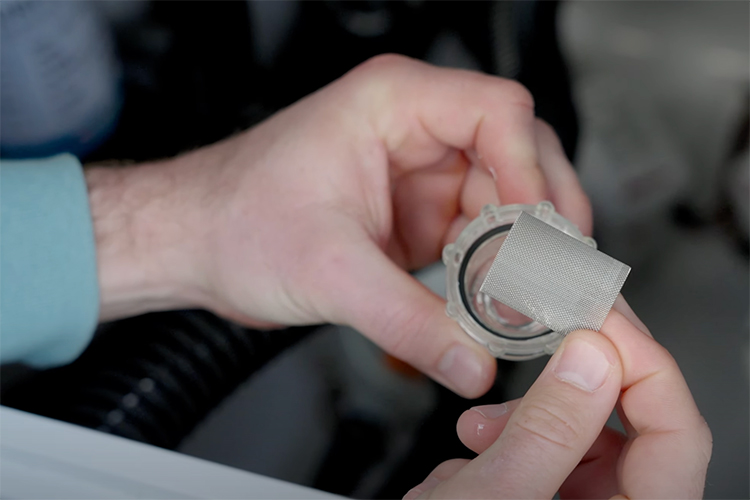
Looking further into the cleaning process, first we must locate the pumps. If you're on a Sportsman your pumps will be inside the bilge area and on the same side as your freshwater or raw water outlets. The next three steps are as follows...
1. Access the strainer: Begin by unscrewing the filter to easily slide it off and access the strainer.
2. Inspection: Inside, locate the metal strainer and remove any debris present, such as grass or other foreign objects. Thoroughly rinse it with a hose if needed.
3. Reassembly: Place the cleaned strainer back into the pump, ensuring it sits centrally. Slide the filter back over it and securely thread it back onto the pump.
Even though you'll likely find the majority of the debris in your raw water pump it's good practice to clean the freshwater strainer whenever you're cleaning the raw water strainer to ensure they're both clean and working properly. These little maintenance practices will make sure you encounter less issues down the road and your boat is working at its fullest potential.
To view our full tutorial check out our Tech Talk Episode on the topic.