Open
Built for families who want serious offshore capability,
premium comfort and the freedom to fish, cruise or entertain.
Open 402
NEW Open 352
NEW Open 322
NEW Open 302
Open 282
Open 262
Open 252
Open 232
Open 212
Heritage
A refined crossover lineup designed for coastal cruising, ample seating,
family days and some fishing when the moment calls for it.
NEW Heritage 321
Heritage 261
NEW Heritage 251
Heritage 231
Masters
Shallow-water performance, fishing-focused layouts and
everyday comfort built for family life and fishing.
Perfect blend of offshore capabilities with inshore conveniences.
NEW Masters 288
Shallow-draft bay boats built around casting space, livewells and skinny-water fishing.
Masters 267
Masters 267OE
Masters 247
Masters 247OE
Masters 227
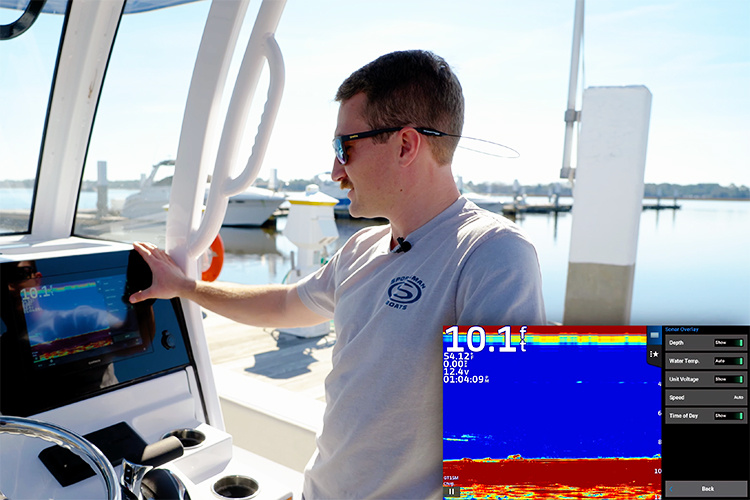
Garmin's sonar page doesn't have to be the basics, you've got options to customize this page to look and display all of the information you're Garmin is currently reading. Here's a quick look at how to customize your Garmin sonar page.
-
•Overlay Data provides essential sonar information such as water temperature, speed and battery voltage.
-
•If you see a speed discrepancy between screens, set the Overlay Data speed to GPS so your displays align.
-
•Tailor the display by hiding or turning off features to match your preference, keeping the interface clean or detailed.

Today, we're diving into the exciting realm of sonar overlay data. Buckle up as we walk you through the process of unleashing the potential of your sonar features.
Step 1: Navigate to Your Sonar Page
Let's kick things off by heading to your sonar page. Just click on Home, then navigate over to Sonar.
Step 2: Explore the Traditional View
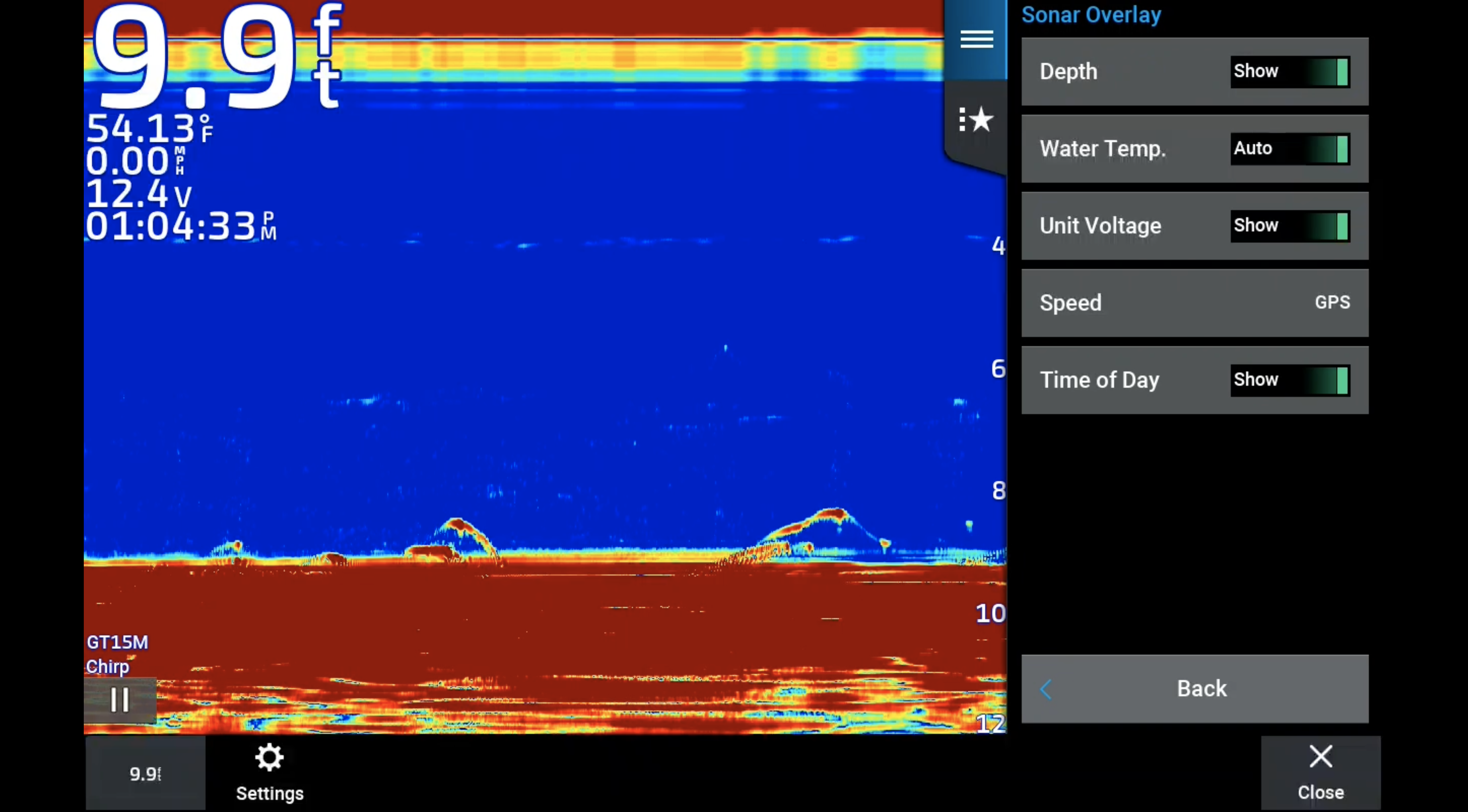
Once you've landed in the sonar section, we'll look into the traditional view. Looking at the upper left-hand corner of your screen. You'll spot essential data such as water temperature, speed, battery voltage and the time of day. Now, let's see how you can customize or change these features to suit your preferences.
Step 3: Accessing Overlay Data
To unlock the full potential of your sonar, head down to the bottom right-hand corner. Click on Options, then navigate to Sonar Setup Appearance. Now, scroll all the way down until you find Overlay Data – the gateway to all of your boat information.
Step 4: Speed Matters
Ever noticed a speed discrepancy between screens? We've got you covered. In the Overlay Data section, check your speed setting. If it's set to Auto and causing a bit of confusion, you can tweak it. For instance, if you're sitting still but the current's moving at 2 mph, that'll show 2 mph, whereas your GPS will show zero. So if your sonar is picking up water speed, but you prefer GPS speed consistency, simply select GPS, and your screens will mirror each other perfectly!
Step 5: Customize Your Display
Now, here's where the fun begins. You have the power to decide what data you want on display. Want to keep things sleek and minimal? No problem – slide to hide and turn off any features that you find less essential. I personally like having all the details visible, but hey, it's your screen, your choice!
Until next time!