Open
Built for families who want serious offshore capability,
premium comfort and the freedom to fish, cruise or entertain.
Open 402
NEW Open 352
NEW Open 322
NEW Open 302
Open 282
Open 262
Open 252
Open 232
Open 212
Heritage
A refined crossover lineup designed for coastal cruising, ample seating,
family days and some fishing when the moment calls for it.
NEW Heritage 321
Heritage 261
NEW Heritage 251
Heritage 231
Masters
Shallow-water performance, fishing-focused layouts and
everyday comfort built for family life and fishing.
Perfect blend of offshore capabilities with inshore conveniences.
NEW Masters 288
Shallow-draft bay boats built around casting space, livewells and skinny-water fishing.
Masters 267
Masters 267OE
Masters 247
Masters 247OE
Masters 227
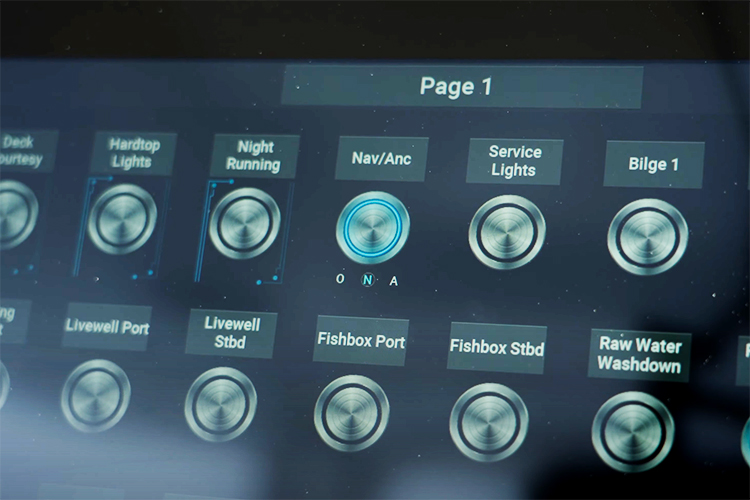
Navigation lights are mandatory pieces of equipment for boating after daylight hours. We are taking a quick look at how these lights work on your Sportsman Boat.
-
•Nav lights act like water traffic signals showing other boats your direction with red on the port side and green on the starboard side and a white light at the stern.
-
•Navigation lights are legally required from sunset to sunrise so don't skip them when the sun goes down.
-
•When anchored or moored switch to the white all around light and use the two-way switch to toggle back to nav lights as you move again.
Today we're diving into the world of navigation lights for boats. It might seem like a simple topic, but trust me, it's something that often slips under the radar when you're out on the water.
We know that cars have headlights, right? Well, boats have their own version – nav lights. These lights play a crucial role in helping boaters navigate safely, especially during low-light conditions. So, let's break it down.
On a boat, you'll find a greenlight on the starboard (right) side and ared light on the port (left) side. Think of them as the traffic signals of the water. Additionally, there's a white all-around light at the rear of the boat. This setup is like a language of lights, providing information to other boaters about your boats direction and movement.
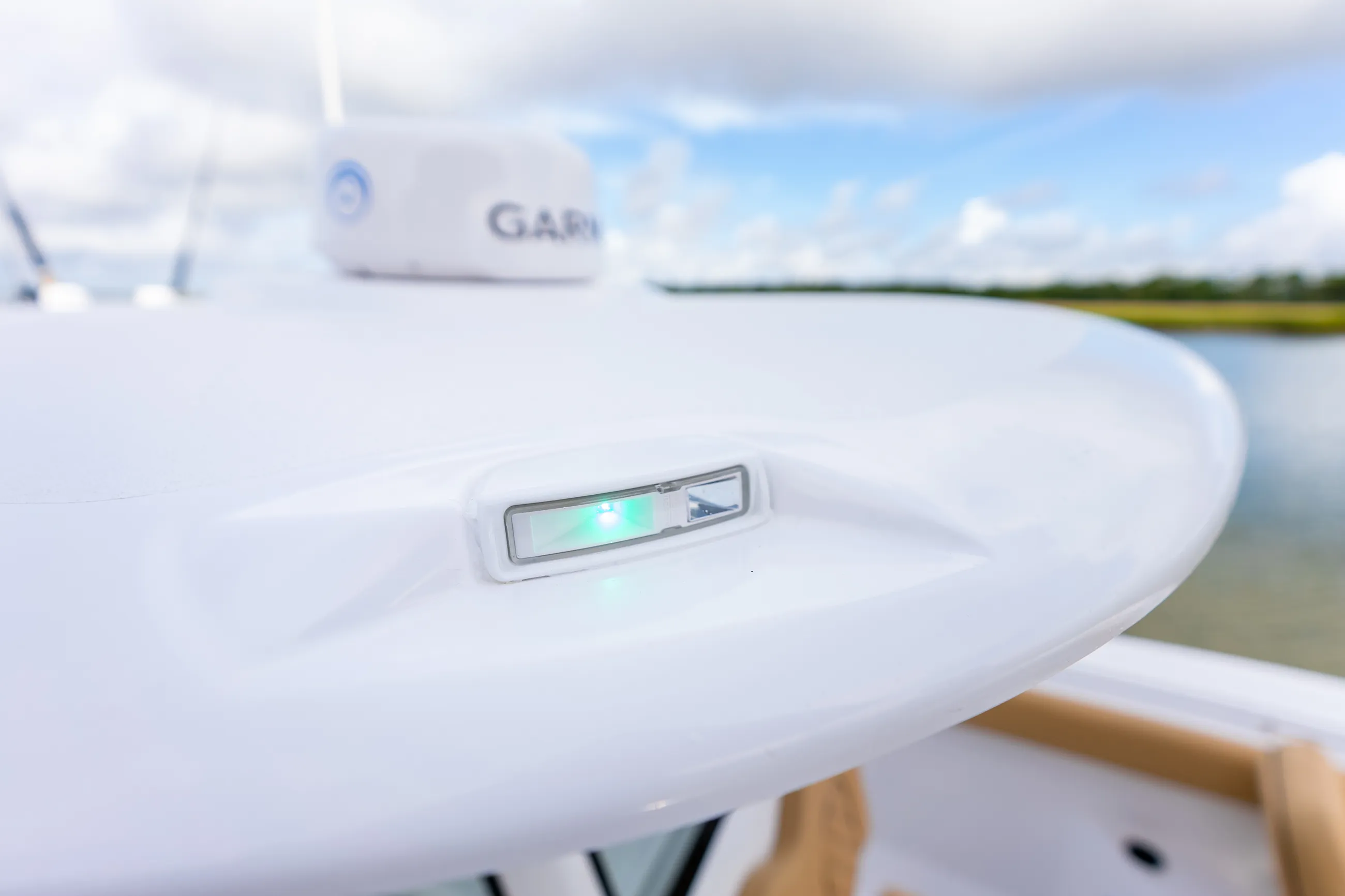
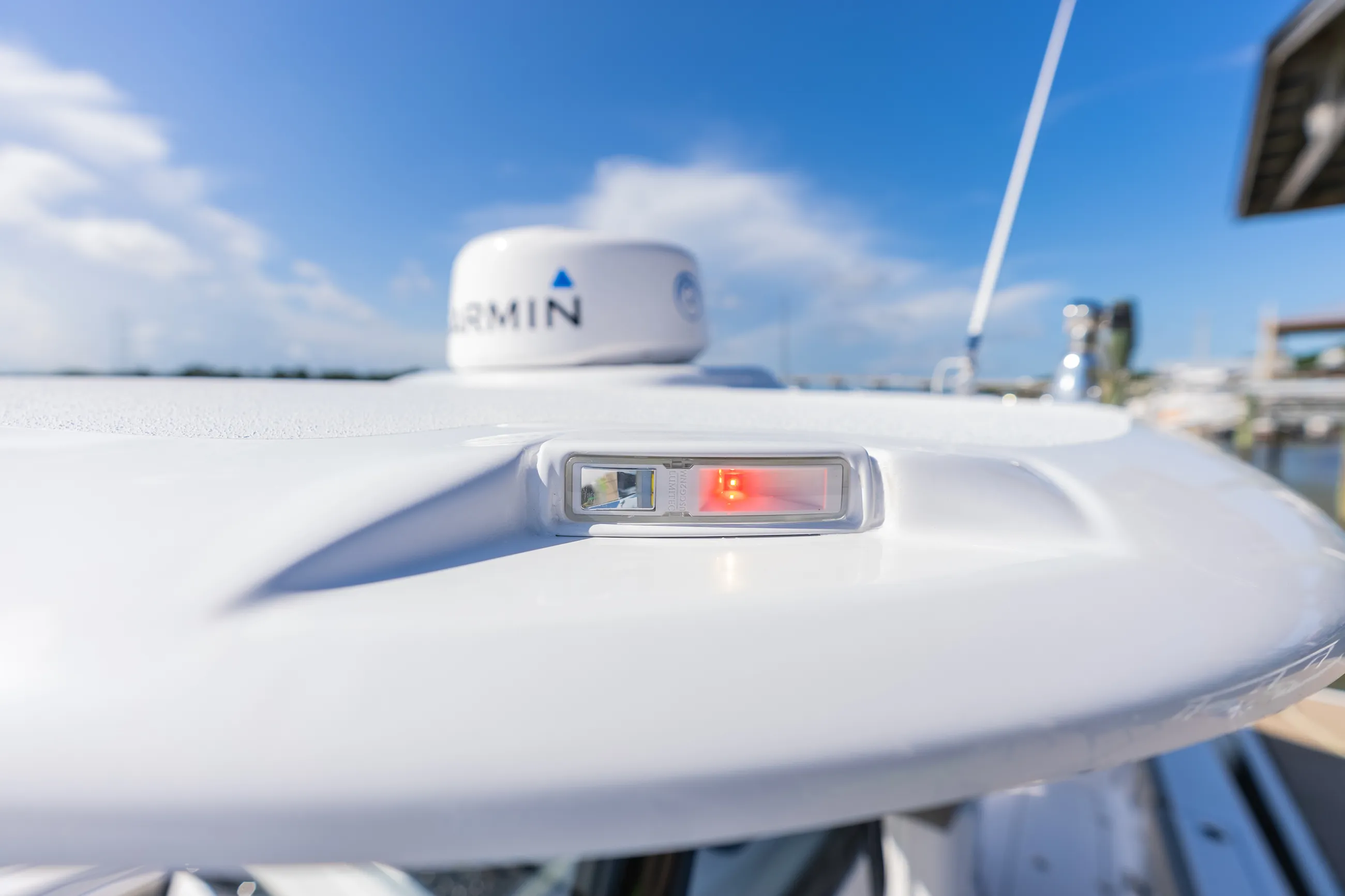
For instance, if you're heading offshore, you'll have the red light on your port side and the green light on your starboard side. Spot someone with a red light on their port side? They're headed towards you. If it's green, they're going the same way you are. It's like having your own secret code to decipher on the water.
Now, here's a crucial tip: It's not just about looking cool with these lights; it's the law! You're required to have your navigation lights on from sunset to sunrise. So, don't forget to flip that switch when the sun starts to dip if you want to avoid getting stopped by the marine patrol.
Lastly, if you're anchored or moored and not moving, switch to just the white all-around light. Remember, the switch is two-way. Click it once for nav lights – red, green, and white. Click it again for anchor mode, with only the white light.
Hope you enjoyed these few pointers on the importance of nav lights.
Until next time!