Open
Built for families who want serious offshore capability,
premium comfort and the freedom to fish, cruise or entertain.
Open 402
NEW Open 352
NEW Open 322
NEW Open 302
Open 282
Open 262
Open 252
Open 232
Open 212
Heritage
A refined crossover lineup designed for coastal cruising, ample seating,
family days and some fishing when the moment calls for it.
NEW Heritage 321
Heritage 261
NEW Heritage 251
Heritage 231
Masters
Shallow-water performance, fishing-focused layouts and
everyday comfort built for family life and fishing.
Perfect blend of offshore capabilities with inshore conveniences.
NEW Masters 288
Shallow-draft bay boats built around casting space, livewells and skinny-water fishing.
Masters 267
Masters 267OE
Masters 247
Masters 247OE
Masters 227
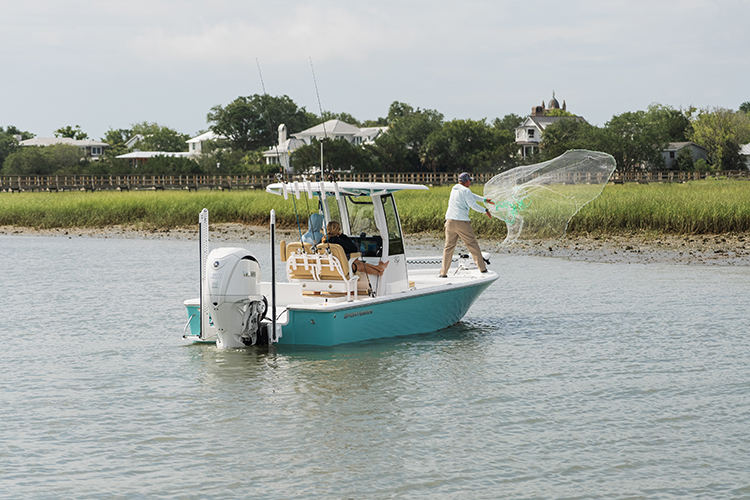
Learn how to choose the right cast net for your fishing needs. This guide covers sizes, uses, and tips for beginners to ensure a successful day on the water.
-
•Start with a budget cast net to practice and upgrade once you have the hang of it
-
•Choose the net size based on depth, the fish you target and your casting skill
-
•Keep a cast net on board to save money and ensure live bait when you need it. Practice regularly to improve
Having live bait on the boat can make or break a good day out fishing. Buying bait at the local tackle shop can get expensive and some baits are only available on the water. The proper cast net can allow you to fill the wells for a successful day on the water. Cast nets come is a huge range of sizes varying in all different lengths, weights and mesh sizes. If you don’t match your cast net to the bait you are chasing it can cause a frustrating situation. Walking into the local tackle shop, you will notice there are plenty of choices across a wide range of prices. If you are just starting out, buying a less expensive cast net may be the best option to practice with until you get the hang of it. Once you get your rhythm, moving up to a higher end and more bait specific net can make all the difference in the world. Below are some simple guidelines to help determine which cast net will suit your needs.
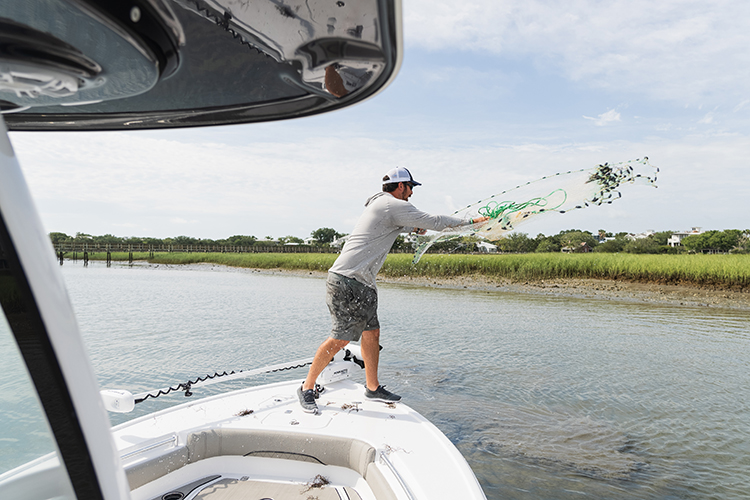
The size of a cast net refers to the diameter of the net when it is fully spread out. Cast nets come in various sizes to suit different purposes and fishing conditions. Here are some common sizes and their typical uses:
• 4-6 feet: These smaller nets are suitable for shallow water or for catching bait fish like mullet, shrimp, or small baitfish.
• 7-8 feet: Medium-sized nets that are versatile and can be used in various fishing environments, including both shallow and moderately deep waters. They are good for catching a variety of medium-sized fish.
• 9-10 feet: Larger nets suitable for deeper waters or for targeting larger fish species. They require more skill to throw and retrieve but can yield bigger catches.
• 10 feet and above Very large nets used in commercial fishing or by experienced anglers who need to cover a wide area or catch large quantities of fish.
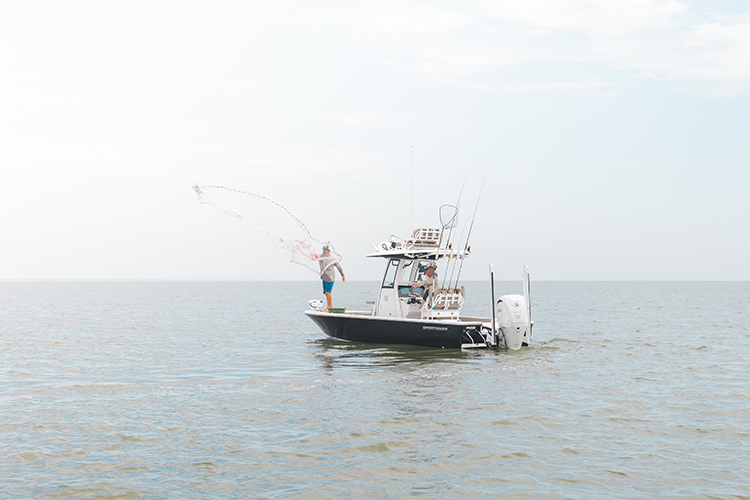
Choosing the right size of cast net depends on factors like the depth of the water you're fishing in, the size of the fish you're targeting, and your own experience in casting and retrieving nets. Regardless of your experience level having a cast net on board can save the day. If you don’t feel comfortable throwing a cast net, just keep on practicing and you will be a pro in no time.