Open
Built for families who want serious offshore capability,
premium comfort and the freedom to fish, cruise or entertain.
Open 402
NEW Open 352
NEW Open 322
NEW Open 302
Open 282
Open 262
Open 252
Open 232
Open 212
Heritage
A refined crossover lineup designed for coastal cruising, ample seating,
family days and some fishing when the moment calls for it.
NEW Heritage 321
Heritage 261
NEW Heritage 251
Heritage 231
Masters
Shallow-water performance, fishing-focused layouts and
everyday comfort built for family life and fishing.
Perfect blend of offshore capabilities with inshore conveniences.
NEW Masters 288
Shallow-draft bay boats built around casting space, livewells and skinny-water fishing.
Masters 267
Masters 267OE
Masters 247
Masters 247OE
Masters 227
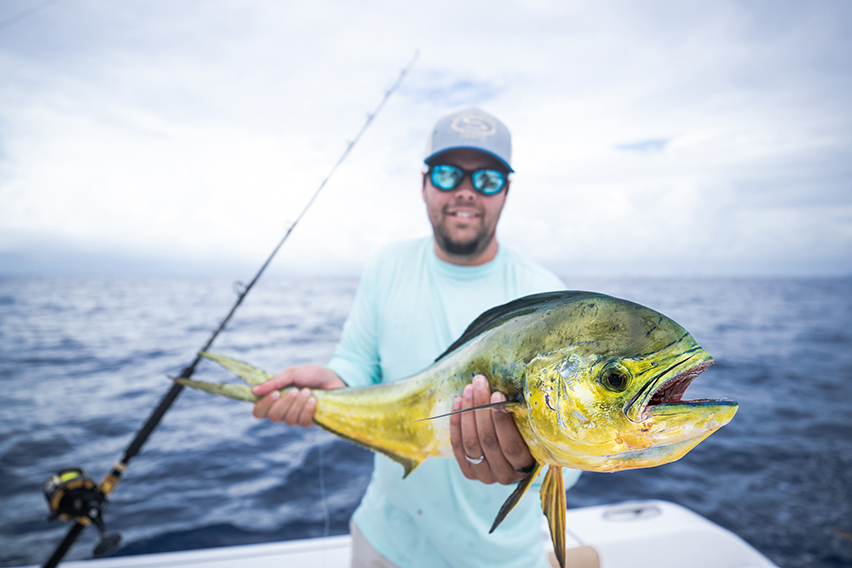
Fishing is one of the top activities boaters participate in, follow these fishing tips for a little more know-how.
-
•Check multiple weather sources and watch the wind to plan safe fishing spots.
-
•Schedule regular gear maintenance and rinse salt after trips to extend gear life.
-
•Have a post catch plan: start with ice in the cooler and keep the catch fully iced; then clean the fish as soon as you get home.
In this week's tips and tricks, we are talking about fishing. Read on for some should knows about weather, gear and bringing your catch home.
-
Weather
Knowing the weather and how it effects the behavior of fish can help you be more successful on those long-awaited fishing trips. An important thing to do is make sure you are safe and well prepared. Check more than one source for your weather reports and look out for one key piece of information, The wind. This will help you plan out your fishing locations. If it looks like it’s going to be windy at a certain spot you have in mind, then it's best to find another. This will prevent the hassle of managing the boat in less than ideal conditions.
Once you’ve studied the weather and what it will be when you plan to go, make sure you are prepared for any other conditions that may arise. If the report is calling for rain at some point in the day, make sure you pack a dry bag with all your rain gear. This can turn a wet day into a more enjoyable dry one.
Lastly, continue to check the weather while you are out on the water. Things like lighting storms can pop up at any moment so you always want to consider weather changes and stay safe. -
Gear
Your fishing gear is key to having a successful day fishing on the water. The last thing you want is to plan a day on the boat only to have your gear fail on you when you need it most. Annual maintenance is a priority when it comes to things like your fishing reels. These reels get put through repeated abuse when fishing and salt can find its way inside the reel causing unseen damage.
In months where the fishing slows down and you’re not on the water as much, take your gear into a trusted tackle shop to have then perform a full service. Doing this, will guarantee that your gear will make it through the season.
One final note on use to use maintenance, after a long day on the water, make sure you rinse your gear off and remove any salt buildup. This too will help your gear last much longer. -
Your Catch
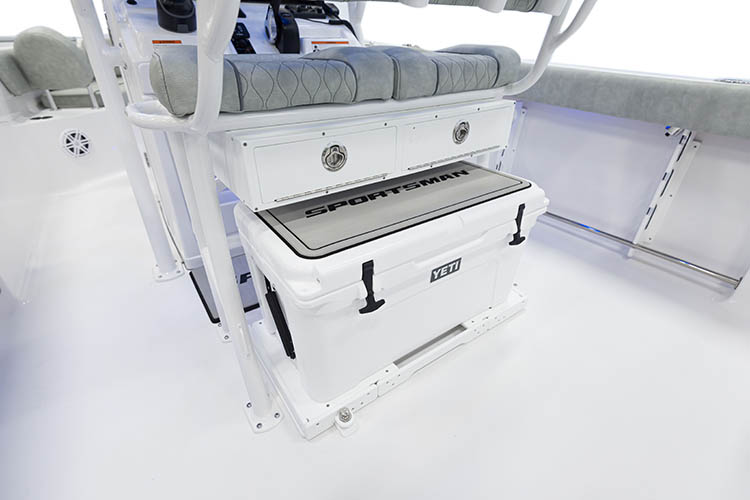
So, you’ve made it to your honey hole and the fish are biting, now what? Having a game plan for what to do with the fish after you catch them is just as essential as finding them. All of our boats have fish boxes or coolers to store your catch. So, the morning of your trip (or the night before) load the coolers up with ice. This will bring the core temperature of the cooler down and will make your ice to last longer.
Minimize the times you open and close the lids, keeping in mind that every time you open your cooler, you lose a portion of that cold air you’ve been saving up.
Once you start to fill the box with fish, continue to monitor the fish, making sure the fish are fully covered in ice. The last thing you want after a successful fishing trip is to find your fish floating in warm water.
Once you get home, clean the fish as soon as you can to ensure the meat stays fresh. Clean fish can last a few days in the fridge and for long term storage, vacuum seal the meat and store in freezer.
SEE YOU ON THE WATER!