Open
Built for families who want serious offshore capability,
premium comfort and the freedom to fish, cruise or entertain.
Open 402
NEW Open 352
NEW Open 322
NEW Open 302
Open 282
Open 262
Open 252
Open 232
Open 212
Heritage
A refined crossover lineup designed for coastal cruising, ample seating,
family days and some fishing when the moment calls for it.
NEW Heritage 321
Heritage 261
NEW Heritage 251
Heritage 231
Masters
Shallow-water performance, fishing-focused layouts and
everyday comfort built for family life and fishing.
Perfect blend of offshore capabilities with inshore conveniences.
NEW Masters 288
Shallow-draft bay boats built around casting space, livewells and skinny-water fishing.
Masters 267
Masters 267OE
Masters 247
Masters 247OE
Masters 227
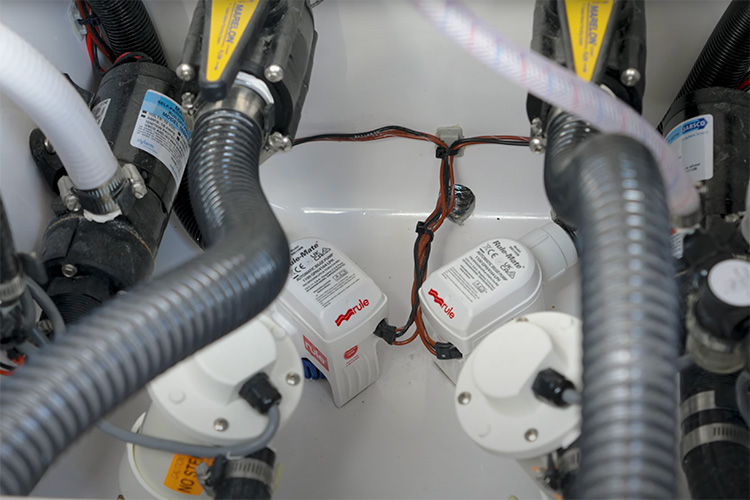
Just like anything else, boats require regular maintenance to perform the way they were designed. While most people focus on engine maintenance one feature that can be often overlooked is the bilge pump and this little pump is probably one of the top 3 most important components of your boat.

-
•Regular bilge pump upkeep keeps it reliable by cleaning debris to prevent clogs
-
•Regularly test sensors to ensure the pump activates at the right water level
-
•Know backup features and manual activation to stay ready if the primary system fails
If you're a boat owner, you know how crucial it is to keep everything in top condition. One essential component of boat maintenance that often gets overlooked is the bilge pump. Responsible for keeping your boat afloat by pumping out excess water, the bilge pump requires regular upkeep to ensure it functions efficiently when needed most.
1. Cleaning and Debris Removal: One of the key maintenance tasks for bilge pumps is regular cleaning and debris removal. Over time, debris such as leaves, twigs, and sediment can accumulate in the pump, leading to clogs and reduced effectiveness. By periodically inspecting and cleaning your bilge pump, you can prevent blockages and ensure optimal performance.
2. Testing the Internal Sensor: Many modern bilge pumps are equipped with internal sensors that detect water levels and activate the pump as needed. It's essential to test these sensors regularly to ensure they are functioning correctly. This can be done by manually triggering the sensor or simulating water ingress to verify its responsiveness.
3. Backup Features: In addition to internal sensors, some bilge pumps are equipped with backup features designed to kick in if the primary system fails or becomes obstructed. These backup mechanisms can include cycle modes that alternate between pumping and resting to prevent overheating and extend the pump's lifespan.
4. Manual Activation: As a final safety measure, it's wise to familiarize yourself with the manual activation mechanism of your bilge pump. This typically involves a touch-button located on the pump itself, allowing you to override any automatic systems in the event of an emergency.
Regular maintenance of your bilge pump is essential for ensuring the safety and integrity of your boat. By following these tips and incorporating bilge pump upkeep into your regular maintenance routine, you can enjoy peace of mind knowing that your vessel is equipped to handle any water-related challenges that may arise.
Remember, prevention is key when it comes to bilge pump maintenance. By staying proactive and addressing any issues promptly, you can avoid costly repairs and potentially dangerous situations on the water. So take the time to inspect, clean, and test your bilge pump regularly—it's an investment, of only a few minutes on a regular basis, in the safety and longevity of your boat.