Open
Built for families who want serious offshore capability,
premium comfort and the freedom to fish, cruise or entertain.
Open 402
NEW Open 352
NEW Open 322
NEW Open 302
Open 282
Open 262
Open 252
Open 232
Open 212
Heritage
A refined crossover lineup designed for coastal cruising, ample seating,
family days and some fishing when the moment calls for it.
NEW Heritage 321
Heritage 261
NEW Heritage 251
Heritage 231
Masters
Shallow-water performance, fishing-focused layouts and
everyday comfort built for family life and fishing.
Perfect blend of offshore capabilities with inshore conveniences.
NEW Masters 288
Shallow-draft bay boats built around casting space, livewells and skinny-water fishing.
Masters 267
Masters 267OE
Masters 247
Masters 247OE
Masters 227
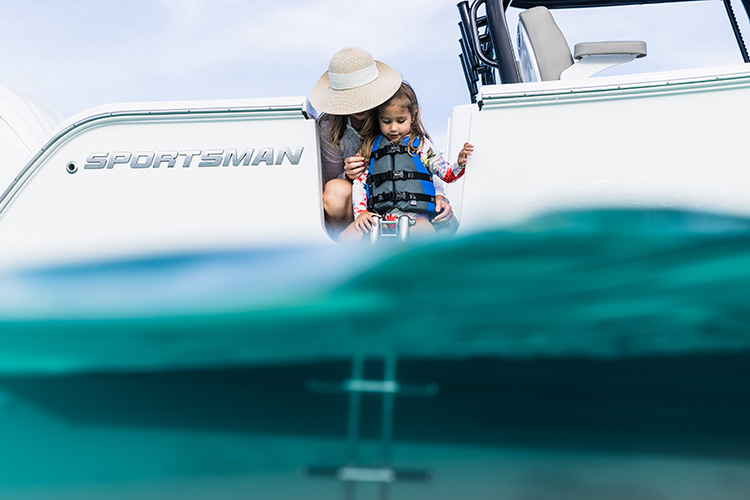
Safety on the boat is the most important part of boating, especially when it comes to children on the boat. Most states have very specific life jacket requirements depending on boat size and children's age and weight. Check out our guide to help you choose the right life jacket for your child before getting out on the water.

-
•Ensure your child wears a properly sized U.S. Coast Guard approved life jacket every time around water or on the boat
-
•Make wearing a life jacket a routine and regularly check fit as your child grows to prevent discomfort or removal
-
•Use a simple fitting checklist and perform the lift test to confirm a snug and secure fit each time
When it comes to boating or water activities, ensuring the safety of your children is paramount. One of the most crucial safety measures is fitting them with a properly sized and secured life jacket. In many boating areas there are requirements around children wearing a life jacket while on a boat. These requirements can be based on the age of the child or size of the boat. A life jacket can be the difference between a fun day on the water and a potential tragedy. In this guide, we'll discuss the importance of fitting a life jacket on your child correctly and provide step-by-step instructions to ensure their safety while enjoying the waterways on your Sportsman Boat.
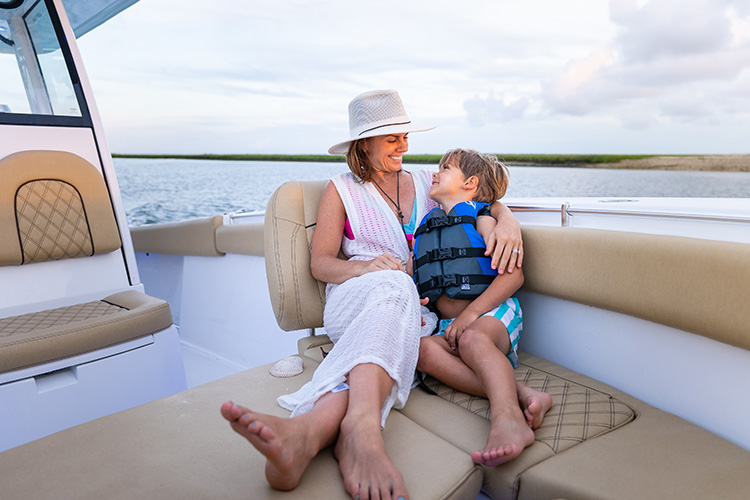
Before diving into the fitting process, it's essential to understand why a properly fitting life jacket is crucial for your child's safety. A well-fitted life jacket is not only more comfortable for your little one it also provides the proper buoyancy for their size and weight. A properly sized life jacket will ensure that your child is secure, and the jacket stays in place during water activities. One of the most important things is to be consistent with always having your child in a jacket when around water or riding in your boat. By making it routine you will have less chance of your child removing it when you aren’t looking or having a temper tantrum every time you put it on them. As they get older make sure they understand how to wear and properly adjust the life jacket so even when you aren’t around you have peace of mind knowing they are trained in how a PFD should fit.
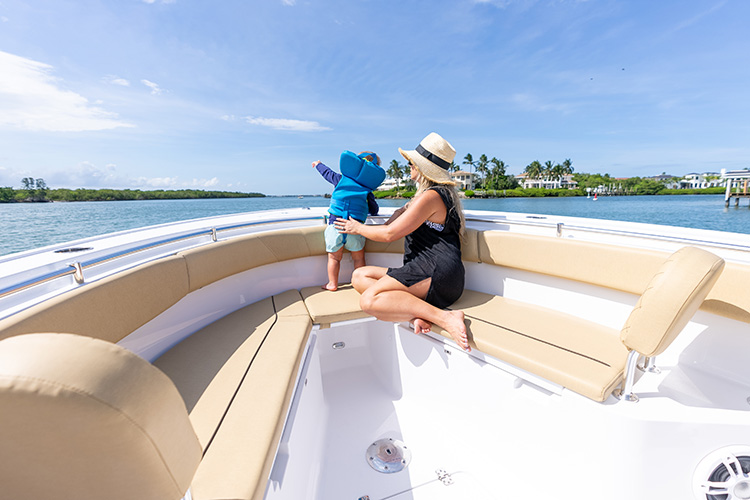
Follow these steps to ensure your child's life jacket fits properly:
Check the Label: Ensure that the life jacket is U.S. Coast Guard approved and appropriate for your child's weight and size.
Put It On: Have your child put on the life jacket while standing on a flat surface.
Adjust Straps: Start by adjusting the straps around the torso. They should be snug but not too tight, allowing your child to breathe comfortably.
Check Buckles: Fasten all buckles and zippers securely, ensuring they are properly aligned and not twisted.
Lift Test: Grasp the top of the life jacket and lift it upward. The jacket should not move more than a few inches, indicating a snug fit.
Arm Openings: Check that the arm openings are large enough for your child to move their arms freely but not so large that the jacket slips off.
Final Check: Perform a final inspection to ensure that all straps, buckles, and zippers are secure, and that the life jacket fits snugly without restricting movement.
Monitor: Always monitor how your child’s life jacket is fitting and just like their sneakers be sure to upsize as they grow. Each Coast Guard approved PFD is designed for certain weights and as your child grows you will need to always make sure they are in the proper size range. You never want to alter or modify a jacket as it will compromise its effectiveness.
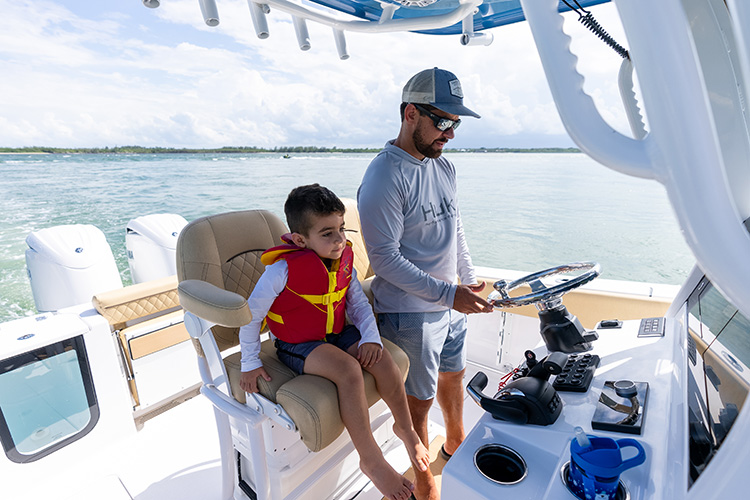
Properly fitting a life jacket on your child is a vital step in ensuring their safety during boating and water activities. By following the steps outlined in this guide and prioritizing safety at all times, you can enjoy peace of mind knowing that your child is well-protected while having fun on the water. Remember, safety first, adventure second!
See you on the water!