Open
Built for families who want serious offshore capability,
premium comfort and the freedom to fish, cruise or entertain.
Open 402
NEW Open 352
NEW Open 322
NEW Open 302
Open 282
Open 262
Open 252
Open 232
Open 212
Heritage
A refined crossover lineup designed for coastal cruising, ample seating,
family days and some fishing when the moment calls for it.
NEW Heritage 321
Heritage 261
NEW Heritage 251
Heritage 231
Masters
Shallow-water performance, fishing-focused layouts and
everyday comfort built for family life and fishing.
Perfect blend of offshore capabilities with inshore conveniences.
NEW Masters 288
Shallow-draft bay boats built around casting space, livewells and skinny-water fishing.
Masters 267
Masters 267OE
Masters 247
Masters 247OE
Masters 227
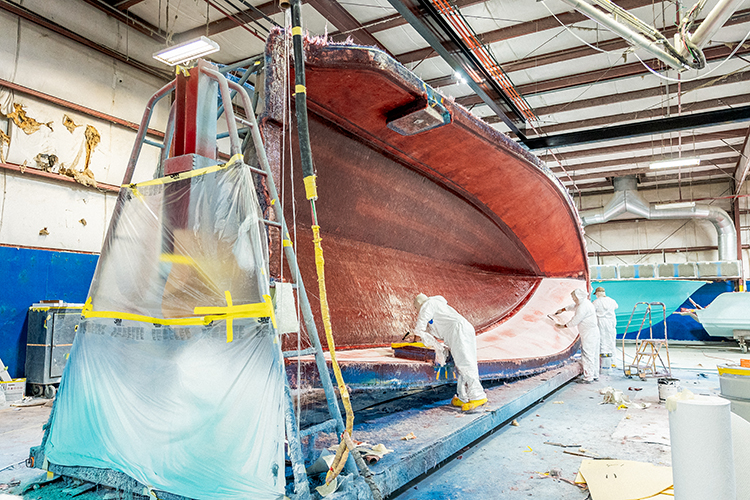
In this blog we will explore the advantages of composite boat building over wood.
-
•Composite construction makes boats lighter, boosting fuel efficiency and performance.
-
•Composite materials offer greater strength and durability, reducing maintenance and extending lifespan.
-
•Rot resistance extends longevity and design flexibility enables more versatile hulls.

When it comes to building boats, choosing the right material is crucial for performance, durability, and overall enjoyment. While wood has been a traditional choice, composite boat building has emerged as a superior alternative. Let's dive into the advantages that make composite materials the go-to option for modern boat construction.
Here at Sportsman Boats, we pride ourself on producing high-quality boats using only composite materials and no wood.
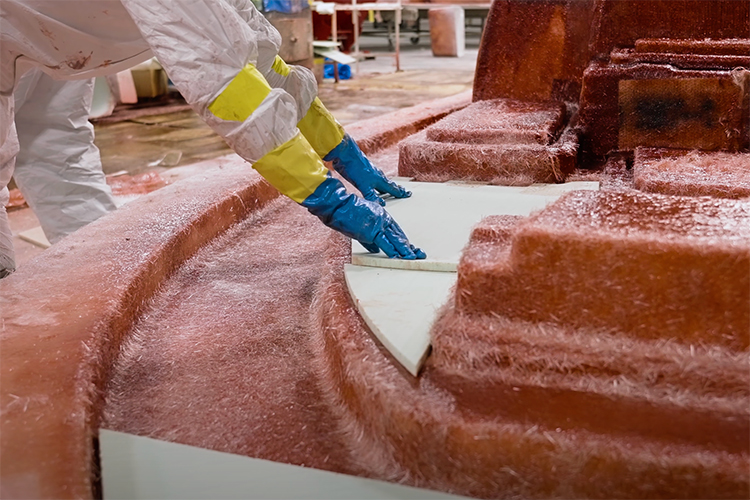
Some of the key benefits in using this technique are:
Lightweight Efficiency: One of the primary advantages of composite boat building is its lightweight nature. Unlike wood, composites are made from a combination of materials like fiberglass, polymer, carbon fiber, and epoxy resin. This results in boats that are significantly lighter, leading to improved fuel efficiency, faster speeds, and better handling on the water.
Strength and Durability: Composite materials offer exceptional strength and durability, surpassing traditional wood construction. Fiberglass is really strong, so it helps boats handle impacts and stress better. This durability ensures a longer lifespan for your Sportsman boat and reduces the need for frequent maintenance, saving both time and money for boat owners.
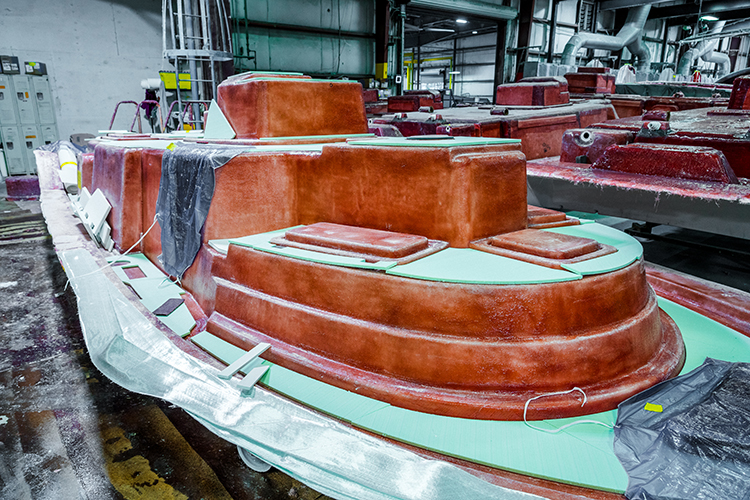
Resistance to Rot and Decay: Wooden boats are susceptible to rot, decay, and damage caused by water exposure. As well as possible bugs such as termites. Composite materials, on the other hand, are inherently resistant to these issues. The combination of fiberglass and epoxy creates a barrier that protects the boat from moisture, preventing rot and decay and extending the boat's overall longevity.
Design Flexibility: Composite boat building allows for greater design flexibility compared to wood. Manufacturers can mold and shape composites into intricate and aerodynamic forms, optimizing hull designs for enhanced performance. This flexibility also opens the door to innovative and stylish boat designs that cater to the evolving preferences of boat enthusiasts.
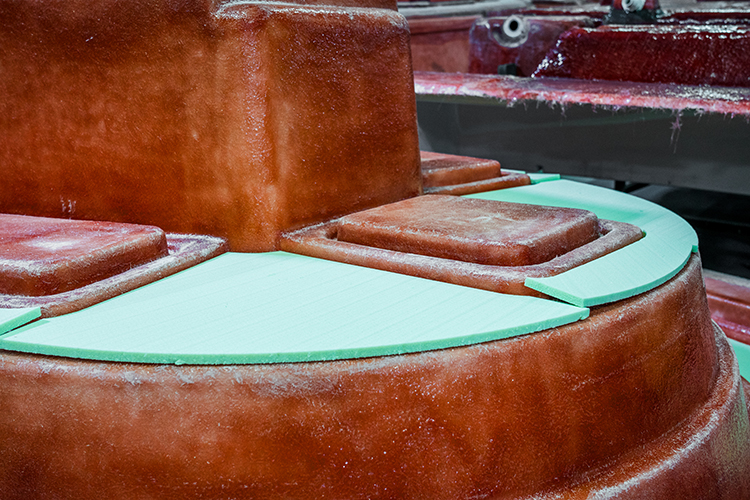
Low Maintenance: Wooden boats demand meticulous care and maintenance to combat the effects of water, sun, and other environmental factors. Composite boats, however, require considerably less maintenance. With their resistance to rot, decay, etc., owners can spend more time enjoying the water and less time on time-consuming upkeep tasks.
In the world of boat building, the advantages of composite materials over wood are evident. From improved performance, better fuel efficiency and durability to lower maintenance requirements, composite boat construction offers a modern and efficient alternative for both boat manufacturers and the consumer. As technology continues to advance, composite materials are likely to play an increasingly prominent role in shaping the future of boating.