Open
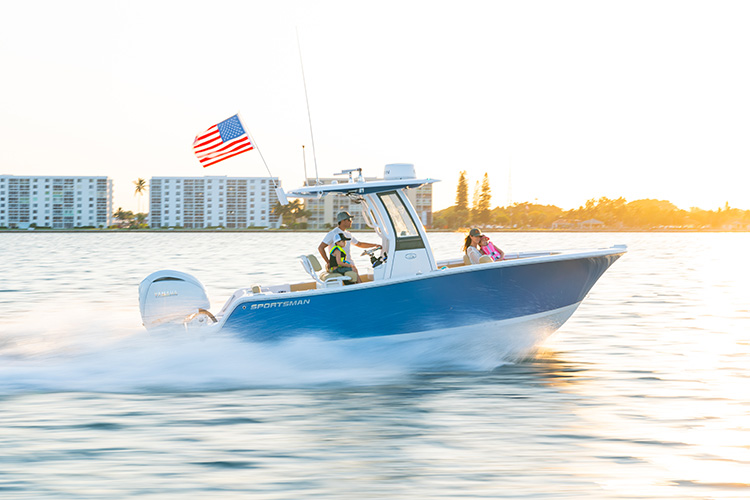
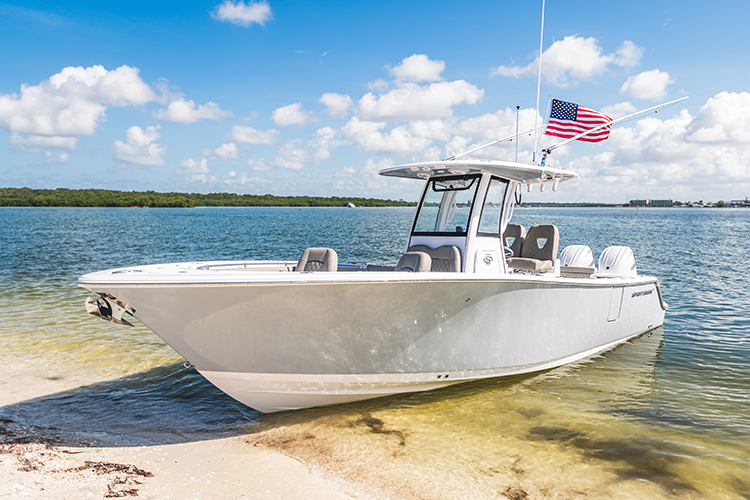
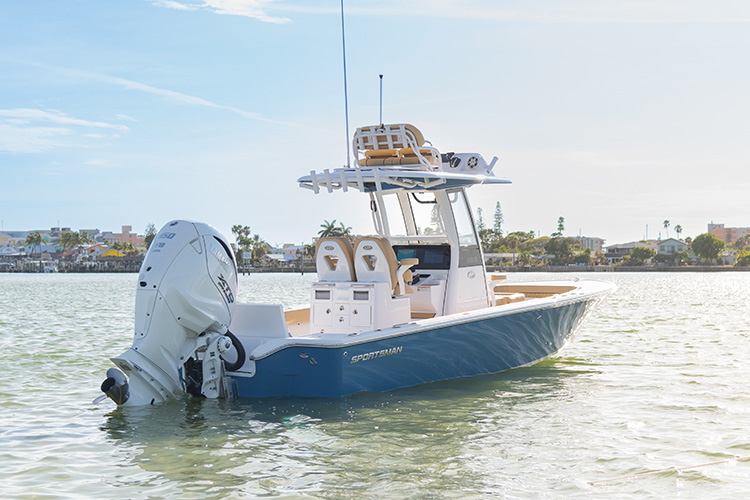
Built for families who want serious offshore capability,
premium comfort and the freedom to fish, cruise or entertain.
Open 402
NEW Open 352
NEW Open 322
NEW Open 302
Open 282
Open 262
Open 252
Open 232
Open 212
Heritage
A refined crossover lineup designed for coastal cruising, ample seating,
family days and some fishing when the moment calls for it.
NEW Heritage 321
Heritage 261
NEW Heritage 251
Heritage 231
Masters
Shallow-water performance, fishing-focused layouts and
everyday comfort built for family life and fishing.
Perfect blend of offshore capabilities with inshore conveniences.
NEW Masters 288
Shallow-draft bay boats built around casting space, livewells and skinny-water fishing.
Masters 267
Masters 267OE
Masters 247
Masters 247OE
Masters 227
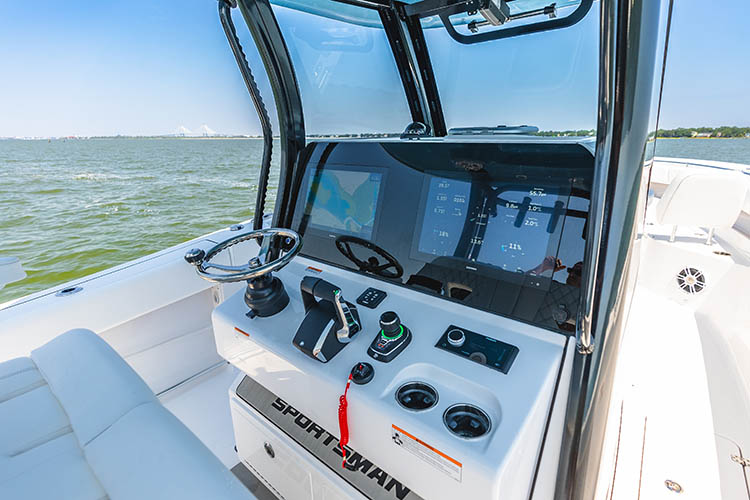
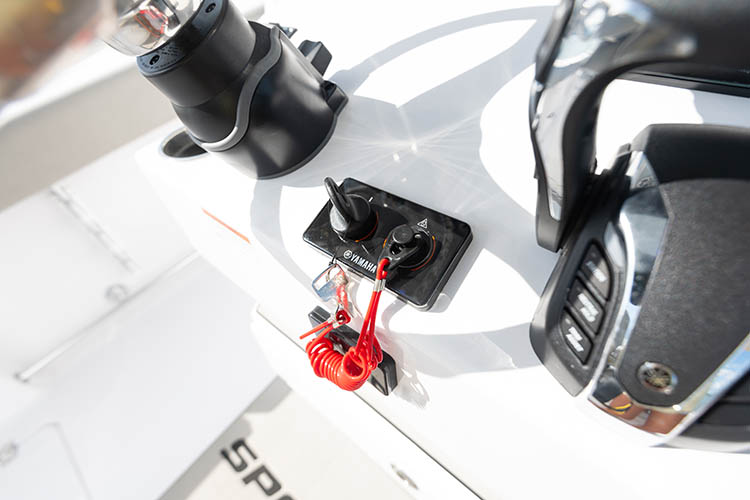
A kill switch is a device with male and female connections, featuring a lanyard attached to the operator that, if tightened due to an obstruction or falling overboard, stops the boat; typically located near the binnacle on the vessel's console, it's simple yet highly effective when used properly.
-
•Kill switches are mandatory on boats up to 26ft with 3 HP or more, reducing runaway vessel incidents.
-
•A kill switch stops the engine if the operator is detached, making boating significantly safer.
-
•Promote awareness and make kill switch use a standard practice on every outing.
The Importance Of An Engine Cut Off Switch
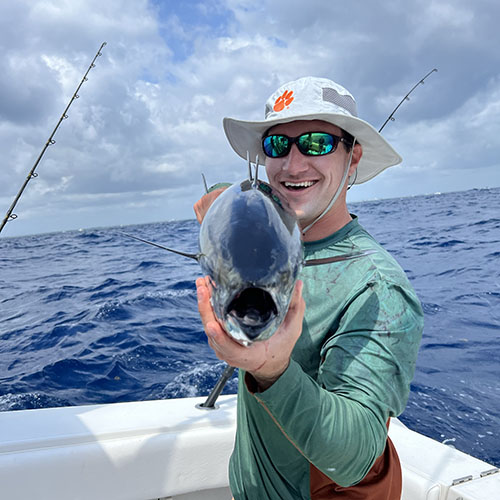
In recent years the amount of boat’s on the water has drastically increased and therefore the accidents involving run away boats, cases where captain’s are ejected from their vessels while they remain underway have also increased. On April 1st, 2021, the coast guard issued a national law which states that the use of an engine cut off switch or kill switch is mandatory on all boats up to 26ft in length, powered by 3 or more HP. The reasoning behind this is to create a safer environment for boaters.
A kill switch is a simple device typically consisting of a male and female connection, male side will have a lanyard attached to it that will secure to the operator. If the operator were to move from behind the wheel enough to tighten the lanyard, such as hitting an obstruction or falling overboard, the lanyard will then pull from the switch stopping the boat. They are typically located on the console of the vessel in close proximity to the binnacle. As stated, they are extremely simple yet very effective when used properly.
In relation to an automobile a kill switch can be closely correlated to a seat belt, something simple yet could save your life in the event of a crash. Since early seat belt laws were put in place nearly a generation ago in the U.S. there has been a substantial reduction in traffic related deaths and injuries. The Coast Guard is hoping to have the same results on the water, but they can only achieve this with your participation.
The initiative by the Coast Guard to mandate the use of engine cut off switches or kill switches on boats up to 26ft in length powered by 3 or more HP is a crucial step towards enhancing boating safety. The parallel drawn between kill switches and seat belts effectively highlights their importance in preventing accidents and saving lives.
Just as seat belt laws have significantly reduced traffic-related deaths and injuries, the implementation of kill switch requirements aims to achieve similar outcomes on the water. By ensuring that operators are securely connected to their vessels, these devices can prevent runaway boats and accidents caused by operators being ejected from their vessels.
Promoting awareness and encouraging participation in this safety measure is essential for its effectiveness. Boaters must understand the importance of using kill switches and make it a standard practice every time they are on the water. Ultimately, prioritizing safety benefits everyone involved in recreational boating, contributing to a safer and more enjoyable experience for all.
We hope that you take this into consideration when you are out on your Sportsman! Tight lines and happy boating!