Open
Built for families who want serious offshore capability,
premium comfort and the freedom to fish, cruise or entertain.
Open 402
NEW Open 352
NEW Open 322
NEW Open 302
Open 282
Open 262
Open 252
Open 232
Open 212
Heritage
A refined crossover lineup designed for coastal cruising, ample seating,
family days and some fishing when the moment calls for it.
NEW Heritage 321
Heritage 261
NEW Heritage 251
Heritage 231
Masters
Shallow-water performance, fishing-focused layouts and
everyday comfort built for family life and fishing.
Perfect blend of offshore capabilities with inshore conveniences.
NEW Masters 288
Shallow-draft bay boats built around casting space, livewells and skinny-water fishing.
Masters 267
Masters 267OE
Masters 247
Masters 247OE
Masters 227
A practical guide for boaters on reading weather conditions before heading out. Learn why monitoring wind, waves, tides, and storms is critical, and discover the best tools and habits to stay safe and confident on the water.
-
•Weather on the water can change quickly; monitor wind, waves, tides and storms before you cast off.
-
•Use reliable tools such as NOAA forecasts, VHF weather channels and radar apps to stay ahead of storms.
-
•Always have a float plan and check the forecast early and often to stay prepared.
When it comes to boating, one of the most important skills every captain should master is understanding the weather. Unlike driving a car, where conditions can change but rarely stop you in your tracks, weather on the water can be the difference between a safe, enjoyable day and a dangerous one. Before you cast off, taking the time to read conditions is essential for protecting your passengers, your boat, and your peace of mind.
Why Weather Matters More on the Water
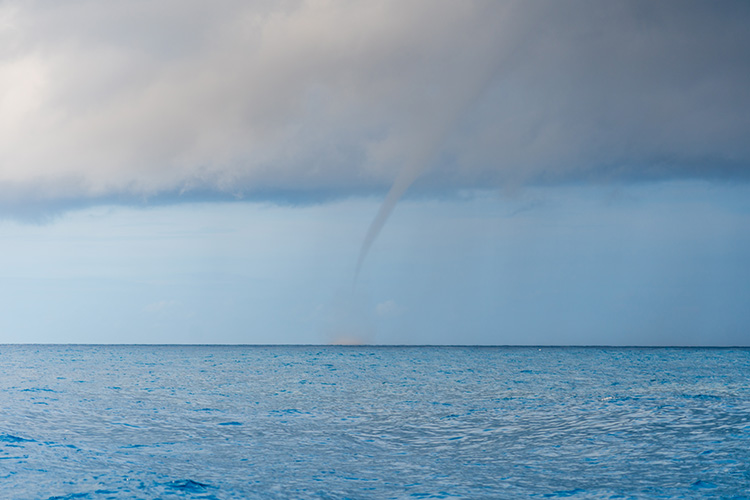
The ocean, bays, and lakes react quickly to shifts in wind, pressure, and storms. Calm seas can turn choppy in minutes, and a clear morning can end in storms by afternoon. Because you don’t have the same shelter options as you would on land, being proactive about monitoring conditions is key to safe boating.
Key Weather Factors Every Boater Should Watch
1. Wind Speed and Direction
Wind is one of the biggest drivers of sea conditions. Even moderate winds can create uncomfortable chop, while strong gusts can make navigation dangerous. Always check:
- Wind speed (knots or mph): Know your comfort zone and your boat’s capabilities.
- Wind direction: Offshore winds may push you farther out than you plan, while onshore winds can make returning tricky.
2. Waves and Swell
Waves aren’t just about height. Their frequency and direction matter too. A 3-foot wave every 3 seconds is much rougher than a 3-foot wave every 10 seconds. Understanding swell forecasts helps you prepare for offshore runs and avoid uncomfortable pounding.
3. Tides and Currents
Tides impact water depth at ramps, sandbars, and inlets. Currents, especially in narrow passes or rivers, can significantly affect your boat’s handling. Knowing the timing of the tides before you go ensures smoother navigation.
4. Radar and Storms
Thunderstorms can appear quickly, especially in summer. Use your boat’s radar, weather apps, VHF weather channels, or onboard electronics to track storm cells.
Tools for Monitoring Weather
- NOAA Marine Forecasts: Reliable for coastal and offshore conditions
- VHF Radios: Tune into NOAA Weather Radio for live updates
- Smartphone Apps: Tools like Windy, FishWeather, and RadarScope give detailed forecasts and storm tracking
- Onboard Electronics: Radar and marine chartplotters/MFDs with integrated weather services
Before You Go - Check the forecast early and often. Look at both the big picture and hourly updates
- Have a float plan. Let someone know where you’re going and when you’ll be back
- Prepare for changes. Even if conditions look great, pack rain gear and safety equipment
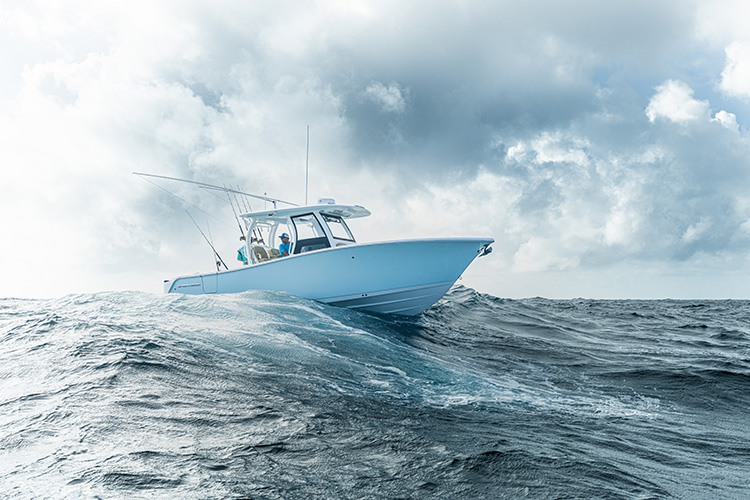
- Know your boat. A 24-foot bay boat handles weather differently than a 32-foot offshore model. Respect your boat’s limits
When in Doubt, Don’t Go Out The most seasoned captains know that sometimes the safest call is to stay at the dock. There will always be another sunny day, but there’s no undoing a bad decision made against the weather.
By learning to read conditions and using the right tools, you can enjoy boating with confidence — knowing you’re prepared for whatever Mother Nature throws your way.