Open
Built for families who want serious offshore capability,
premium comfort and the freedom to fish, cruise or entertain.
Open 402
NEW Open 352
NEW Open 322
NEW Open 302
Open 282
Open 262
Open 252
Open 232
Open 212
Heritage
A refined crossover lineup designed for coastal cruising, ample seating,
family days and some fishing when the moment calls for it.
NEW Heritage 321
Heritage 261
NEW Heritage 251
Heritage 231
Masters
Shallow-water performance, fishing-focused layouts and
everyday comfort built for family life and fishing.
Perfect blend of offshore capabilities with inshore conveniences.
NEW Masters 288
Shallow-draft bay boats built around casting space, livewells and skinny-water fishing.
Masters 267
Masters 267OE
Masters 247
Masters 247OE
Masters 227
Taking delivery of a new boat is exciting, but it often comes with plenty of questions. This guide covers the most common concerns new owners have, from engine break-in and maintenance to storage, safety, and warranty coverage. A little knowledge early on leads to smoother ownership and more confident time on the water.
-
•Familiarize yourself with the manuals, safety gear locations and control layouts, and do a short shakedown cruise near shore to verify everything works before longer trips.
-
•Break in the engine according to the manufacturer guidelines, avoid extended full throttle operation and vary RPM in the first hours.
-
•Schedule the first service within the manufacturer recommended hours and check fluid levels, hoses and fittings early to prevent issues and protect your warranty.
Taking delivery of a brand-new boat is an exciting milestone. After months of research, decision-making, and anticipation, the keys are finally in hand and the water awaits. Once the excitement settles, many new boat owners find themselves asking important follow-up questions.
If you’ve recently taken delivery of a new boat, or are about to, here are the most common questions owners ask after delivery.
1. What Should I Do First After Taking Delivery?
After delivery, your first priority should be familiarization. Even experienced boaters should take time to review:
• The owner’s manuals
• Safety equipment locations
• Control layouts and system functions
It’s also recommended to perform a short shakedown cruise close to shore to ensure everything operates correctly before longer trips.
2. How Do I Break In the Engine Properly?
Most new engines require a break-in period to ensure optimal long-term performance. This usually involves:
• Avoiding extended full-throttle operation
• Varying engine RPM during the first few hours
• Following the manufacturer’s specific guidelines
Improper break-in can affect engine life, so always refer to the engine manual or ask your dealer for guidance.
3. What Maintenance Is Required Right Away?
New boats still require early maintenance. Common post-delivery tasks include:
• Checking fluid levels after initial use
• Inspecting hoses, clamps, and fittings
• Scheduling the first service, often after 20 to 50 hours of operation
Staying on top of early maintenance helps prevent issues and keeps warranties valid.
4. What’s Covered Under Warranty and What Isn’t?
Boat warranties often include separate coverage for:
• The hull
• The engine or engines
• Electronics and accessories
Wear-and-tear items, routine maintenance, and damage from misuse are typically excluded. Owners should register warranties promptly and understand service procedures in case of a claim.
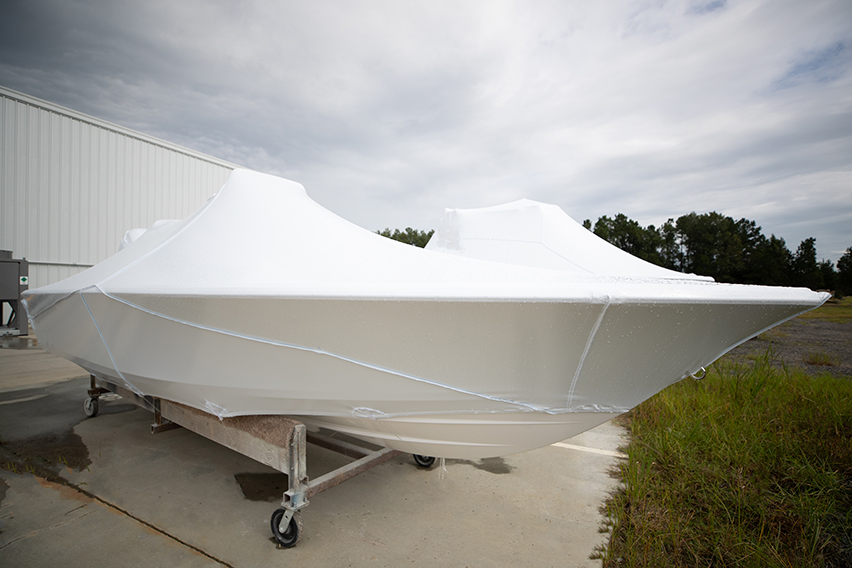
5. How Should I Store My Boat When It’s Not in Use?
Proper storage protects your investment. Storage considerations include:
• Covered versus uncovered storage
• Dry storage versus wet slips
• Battery care and power management
For seasonal boaters, winterization or long-term storage preparation is critical to avoid costly damage.
6. What Safety Equipment Do I Need Onboard?
Safety requirements vary by location, but commonly required equipment includes:
• Life jackets for all passengers
• Fire extinguishers
• Visual distress signals
• Sound-producing devices
Beyond legal requirements, many owners add first-aid kits, spare lines, and emergency tools for added peace of mind.
7. How Do I Learn to Dock and Handle the Boat Confidently?
Docking and close-quarters handling are among the biggest concerns for new owners. Practice in calm conditions, use minimal throttle, and don’t hesitate to:
• Take a boating safety or handling course
• Practice with an experienced boater
• Use docking aids such as lines or fenders
Confidence comes quickly with practice and patience.
8. When Should I Schedule My First Service Appointment?
Most manufacturers recommend the first service within the first few months or after a specific number of engine hours. This service often includes:
• Oil and filter changes
• System inspections
• Software updates for modern engines and electronics
Scheduling early ensures optimal performance and protects warranty coverage.
9. What Accessories or Upgrades Are Worth Considering?
After a few outings, many owners begin identifying upgrades such as:
• Additional electronics
• Comfort features like canvas or seating
• Anchoring or docking aids
It’s best to use the boat first, then invest in upgrades that match your actual boating style.
10. Who Should I Contact If I Have Questions?
Your dealer or service provider should be your first point of contact. A strong dealership relationship provides:
• Technical support
• Maintenance guidance
• Warranty assistance
Keeping open communication ensures a smoother ownership experience.
Final Thoughts
Owning a new boat is a rewarding experience, and questions after delivery are completely normal. By understanding your boat, following maintenance guidelines, and seeking expert support when needed, you’ll enjoy safer, smoother, and more memorable time on the water.
If you have questions after taking delivery, don’t hesitate to reach out. Your boating journey is just beginning.
See ya on the water!