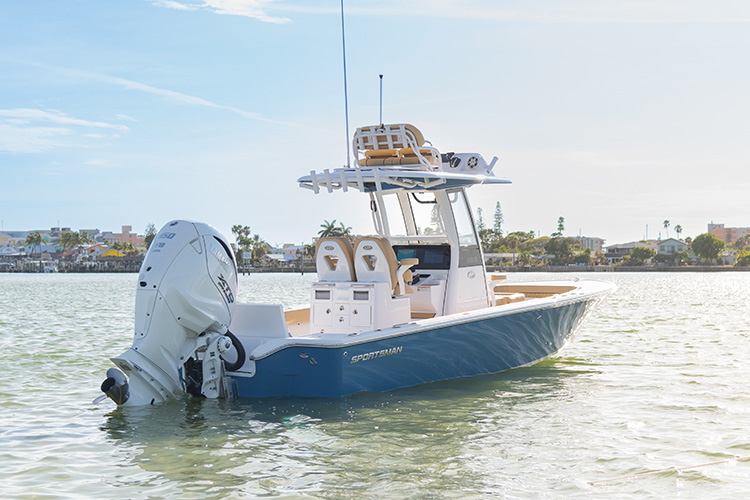
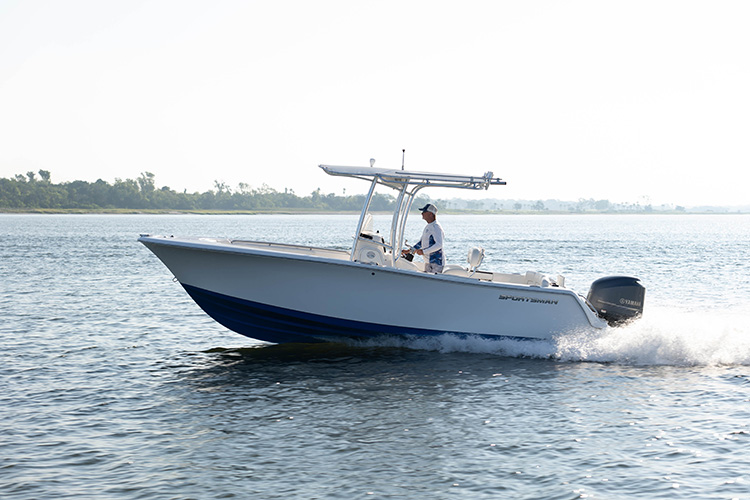
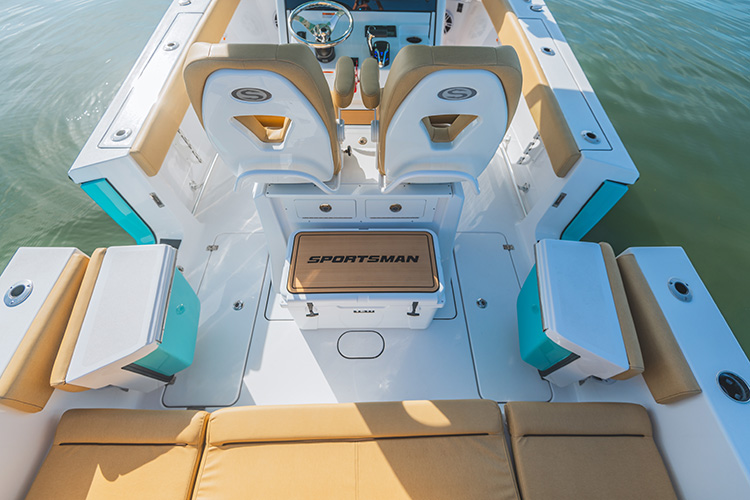
Open
Built for families who want serious offshore capability,
premium comfort and the freedom to fish, cruise or entertain.
Open 402
NEW Open 352
NEW Open 322
NEW Open 302
Open 282
Open 262
Open 252
Open 232
Open 212
Heritage
A refined crossover lineup designed for coastal cruising, ample seating,
family days and some fishing when the moment calls for it.
NEW Heritage 321
Heritage 261
NEW Heritage 251
Heritage 231
Masters
Shallow-water performance, fishing-focused layouts and
everyday comfort built for family life and fishing.
Perfect blend of offshore capabilities with inshore conveniences.
NEW Masters 288
Shallow-draft bay boats built around casting space, livewells and skinny-water fishing.
Masters 267
Masters 267OE
Masters 247
Masters 247OE
Masters 227
Radar improves safety and awareness by detecting boats, land and weather in real time. This guide breaks down the pros and cons to help you decide if radar fits your boating style.

-
•Radar enhances safety in low visibility by detecting vessels and obstacles even when you cannot see them, but it requires investment and ongoing power use.
-
•Radar should augment but not replace traditional navigation and lookout practices to avoid over reliance.
-
•Assess your boating needs and environment before buying; radar shines in busy waterways and offshore trips more than casual day trips.
Modern marine technology has transformed the way people navigate and experience life on the water, and one of the most impactful tools available today is radar. Once reserved for large commercial vessels, radar systems are now increasingly common on recreational boats of all sizes. But is installing radar worth it? Like any piece of equipment, it comes with both advantages and drawbacks.
What Is Marine Radar?
Marine radar uses radio waves to detect objects such as other boats, landmasses, buoys, and even weather systems. It provides a visual representation of your surroundings, regardless of visibility conditions, making it a powerful navigation and safety tool.
Pros of Having Radar on Your Boat
1. Enhanced Safety in Low Visibility
One of the biggest advantages of radar is its ability to “see” through fog, rain, and darkness. When visibility is poor, radar can help you detect nearby vessels, obstacles, and shorelines, reducing the risk of collisions.
2. Better Navigation Confidence
Radar gives you a clearer understanding of your surroundings, especially in unfamiliar waters. It allows you to navigate with more confidence, even when charts or GPS alone may not provide enough real-time detail.
3. Collision Avoidance
Many radar systems include features like target tracking and alarms. These can alert you if another vessel is on a potential collision course, giving you more time to react.
4. Weather Detection
Radar can help you identify approaching storms or heavy rain before they arrive. This is especially useful for planning your route and avoiding dangerous weather conditions.
5. Night Boating Capability
For those who enjoy boating after sunset, radar is a gamechanger. It helps you detect objects that are not visible to the naked eye, making nighttime navigation significantly safer.
Cons of Having Radar on Your Boat
1. High Cost
Radar systems can be expensive, especially high-quality models with advanced features. In addition to the initial purchase, installation and maintenance costs can add up.
2. Learning Curve
Radar is not always intuitive. Interpreting radar images correctly requires time, practice, and sometimes formal training. Misreading the display can lead to poor decision-making.
3. Power Consumption
Radar systems draw a considerable amount of power, which can be a concern for smaller boats with limited battery capacity.
4. Limited Effectiveness in Certain Conditions
While radar performs well in many situations, it is not perfect. Small objects like kayaks or debris may not always be detected clearly, and sea clutter or heavy rain can sometimes interfere with the display.
5. Over-Reliance Risk
Having radar can create a false sense of security. Some boaters may rely too heavily on it and neglect basic navigation practices, such as maintaining a proper lookout.
Is Radar Right for You?
Whether radar is a worthwhile investment depends on how and where you boat. If you frequently travel in low visibility conditions, navigate busy waterways, or enjoy offshore trips, radar can significantly enhance your safety and confidence. On the other hand, for casual boaters who stick to clear, familiar waters during the day, the cost and complexity may outweigh the benefits.
Final Thoughts
Radar is a powerful tool that can greatly improve safety and situational awareness on the water. However, it’s not a substitute for good seamanship. Understanding both its strengths and limitations will help you decide whether it’s the right addition to your boat—and ensure you use it effectively if you do.
In the end, the best approach is a balanced one: combine radar with traditional navigation skills, and you’ll be well-prepared for whatever conditions the water throws your way.
See ya on the water!